Book review: The Correspondent
Spoiler-free review of The Correspondent, a novel I read and loved recently.
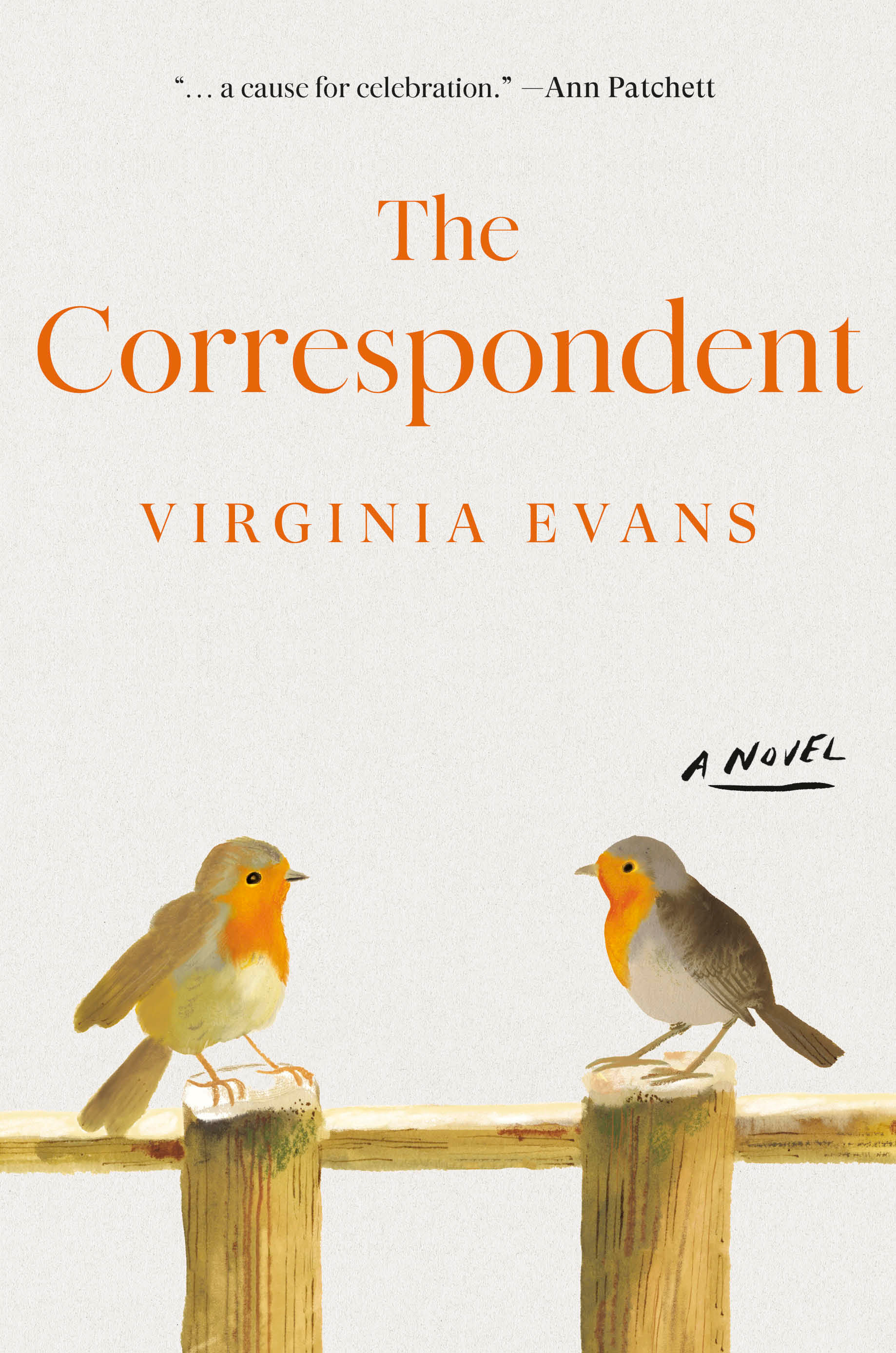
The Correspondent by Virginia Evans.
I normally don’t read recently-published novels, firmly believing in the value of natural selection acting over several years to winnow the good from the merely fashionable. I’ll only read a finite number of words in my lifetime, and I want to make them count, etc. This heuristic has served me well, and I have almost-always regretted straying from it (Trust, The Prophet Song, The Hummingbird, more on this latter one below).
The Correspondent by Virginia Evans, thankfully, was an exception.
We chose it as the inaugural read for a book club. The Correspondent came out in 2025 (!), was a debut (!!) work and is an epistolary novel (!!!). Any one of these factors alone should have been enough to make me hate it, and I honestly would have never picked it up for myself. But I loved it! I raced through it in ~a week.
I’ve been turned off of epistolary novels (novels in the form of letters written between characters) since I read and disliked the much-awarded The Hummingbird by Sandro Veronesi a few years ago. The chronology of The Hummingbird was confusing, the dialogue was clunky (though maybe it’s better in the original Italian), but mostly I didn’t enjoy it because the characters had paper-thin depth. They just didn’t feel like real humans. I’ve found that to be a common problem with the epistolary format: it’s very easy to fall into the trap of telling sans showing. Also, it’s confusing to keep track of the plot and characters while still sticking to the letter-writing conceit. People don’t rush to write letters to their friends in the middle of interesting events (at least these days). People journal, but a monologue is even less fun to read in a novel.
The Correspondent didn’t suffer from any of the above. The letters/emails/journal entries in the novel are mostly written by the protagonist, a retired lawyer who writes letters to friends, family and even celebrities (Joan Didion makes an appearance). This feels believable! She grew up when letter-writing was common, practiced law (which honed her way with words), and is now retired, so she has both the time and the inclination for lengthy correspondence. She writes frequently to the same few people in her life, so you get to learn about their lives and start caring about them (including Joan Didion). She’s also looking back on her life and working through lingering trauma through writing. Over the course of the novel, you learn about her grief and how she has (and mostly hasn’t) dealt with it. It’s sad, but in a hopeful, the sadness comes from caring way.
I related to her since I too am a wordcel and make sense of the world primarily through words. I started writing letters to friends over the pandemic and find it therapeutic, similar to journaling, except you’re also (bonus!) talking to a close friend. The speed of doing something affects the doing, and I think there’s something about the slowness of inscribing ink-on-paper that changes what you write: a measuredness, even a striving towards truth.
The epistolary format of The Correspondent lends itself well to the story, since we get regular updates on her life and events as she processes them. It was surprisingly fun to analyze the metadata (like the date, place, writing style) in the letters and emails. There were things that felt a bit too “cute” and neatly-wrapped in the novel (love it when one letter can instantly resolve decades of trauma) but overall I would highly recommend it to anyone who likes life-affirming fiction and an honest portrayal of grief and how it affects us. I gifted it to my mother, who is also a retired lady who likes words, so I’m curious to see what she thinks.